

Refreshing your home can feel exciting, but knowing where to begin is often the hardest part. With so many colours, styles, layouts and trends to choose from, decorating inspiration is everywhere—yet not all of it will suit your space, budget or personality. The best approach is to gather ideas widely, then narrow them down to what feels practical, comfortable and genuinely “you”.
Start with How You Want the Room to Feel
 Before saving images or buying samples, think about the mood you want to create. Should the room feel calm and restful, warm and sociable, bright and creative, or elegant and polished? Choosing a feeling first makes it easier to decide between colours, textures and furniture styles. A cosy living room, for example, may call for soft lighting, layered textiles and warm neutrals, while a focused home office might benefit from clean lines and energising accents.
Use Online Platforms Wisely
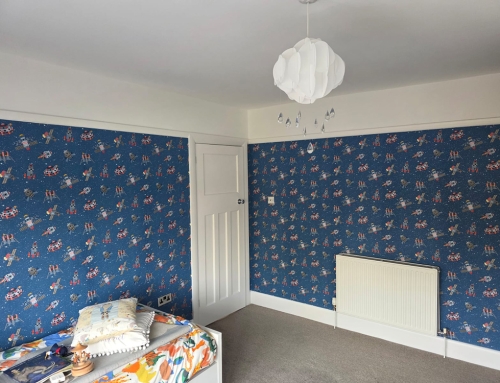
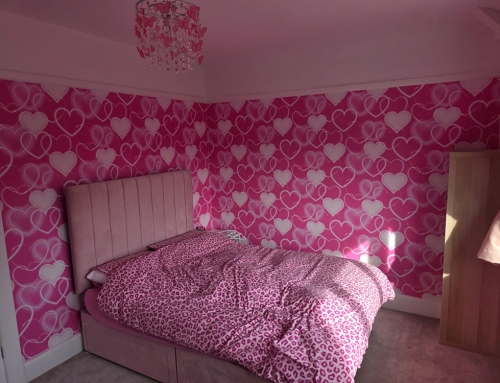
Pinterest, Instagram, interiors blogs and retailer lookbooks are brilliant for quick visual ideas. The trick is to look for patterns in what you save. Do you keep choosing dark wood, vintage pieces, curved furniture, natural textures or bold wallpaper? These repeated choices reveal your real preferences. Create separate boards for each room so your ideas stay organised rather than overwhelming.
Look Beyond Social Media
Some of the best decorating inspiration comes from everyday places. Visit cafés, hotels, galleries, antique shops and show homes, and notice what catches your eye. A colour combination in a restaurant, a framed print in a hallway or a patterned tile in a boutique bathroom can spark an idea that feels more personal than copying a full room scheme online.
Make a Simple Mood Board
 A mood board helps turn scattered ideas into a clear direction. Include paint swatches, fabric samples, furniture photos, flooring ideas and images of accessories. Whether digital or physical, your board should show how colours and materials work together. If something clashes or feels out of place, remove it before spending money.
Balance Trends with Personality
Trends can be useful, especially when they point you towards fresh colours or materials, but your home should not feel like a showroom. Mix current ideas with meaningful items such as travel finds, inherited pieces, books, artwork or handmade objects. Personal details give a room character and make it feel lived in.
Conclusion
Finding decorating inspiration is about collecting ideas, editing them carefully and choosing what suits your lifestyle. Start with a mood, explore a range of sources, build a mood board and trust your own taste. The most successful interiors are not just stylish—they tell your story. Looking for help? Call to request a quote today on 01477 535862.



Leave A Comment